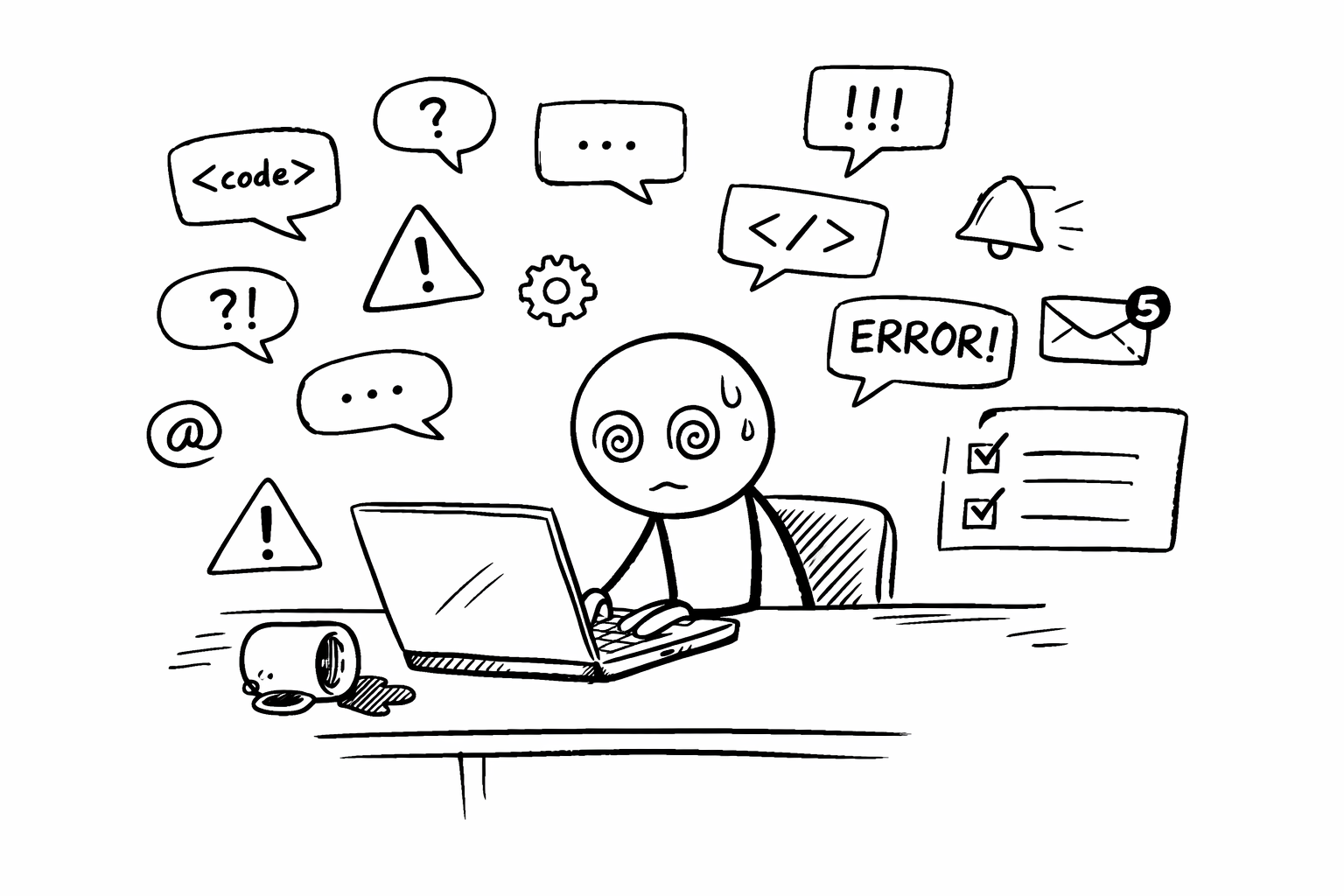
AI fatigue is real and nobody talks about it
You're using AI to be more productive. So why are you more exhausted than ever? The paradox every engineer needs to confront.
siddhantkhare.com
You're using AI to be more productive. So why are you more exhausted than ever? The paradox every engineer needs to confront.
siddhantkhare.com
“The attention economy incentivises the design of technologies that grab our attention,” he says. “In so doing, it privileges our impulses over our intentions.”
That means privileging what is sensational over what is nuanced, appealing to emotion, anger and outrage.
The news media is increasingly working in service to tech companies, Williams adds, and must play by the rules of the attention economy to “sensationalise , bait and entertain in order to survive.”

The Google, Apple and Facebook workers who helped make technology so addictive are disconnecting themselves from the internet. Paul Lewis reports on the Silicon Valley refuseniks who worry the race for human attention has created a world of perpetual distraction that could ultimately end in disaster
www.theguardian.com“We often use technology to save time, but increasingly, it either takes the saved time along with it, or makes the saved time less present, intimate and rich. I worry that the closer the world gets to our fingertips, the further it gets from our hearts.”

Have you found yourself checking email at dinner, or skipping from book to screen, unable to focus? The closer the world gets to our fingertips, the more we stand to lose
www.theguardian.com“Digital media trains us to be high-bandwidth consumers rather than meditative thinkers. We download or stream a song, article, book or movie instantly, get through it (if we’re not waylaid by the infinite inventory also offered) and advance to the next immaterial thing.”

Digital media trains us to be high-bandwidth consumers rather than meditative thinkers. We download or stream a song, article, book or movie instantly, get through it (if we’re not waylaid by the infinite inventory also offered) and advance to the next immaterial thing.
www.nytimes.com